This local list supplements heritage assets identified on the Oxfordshire Historic Environment Record and features identifed as being of local interest in the Cumnor Conservation Area Appraisal, 2011, Vale of White Horse District Council.
Additions: Kathy Davies 04/04/26 + CW 13/04/2026
This list has been compiled by Cumnor residents using the methodology set out for the Oxford Heritage Asset Register (see Cumnor Neighbourhood Plan Local List of Heritage Assets – Appendix 1) and using criteria embodied in Conservation Principles, Historic England, 2008, Historic England Advice Note 7, Local Heritage Listing, 2016 and the NPPF, 2019.
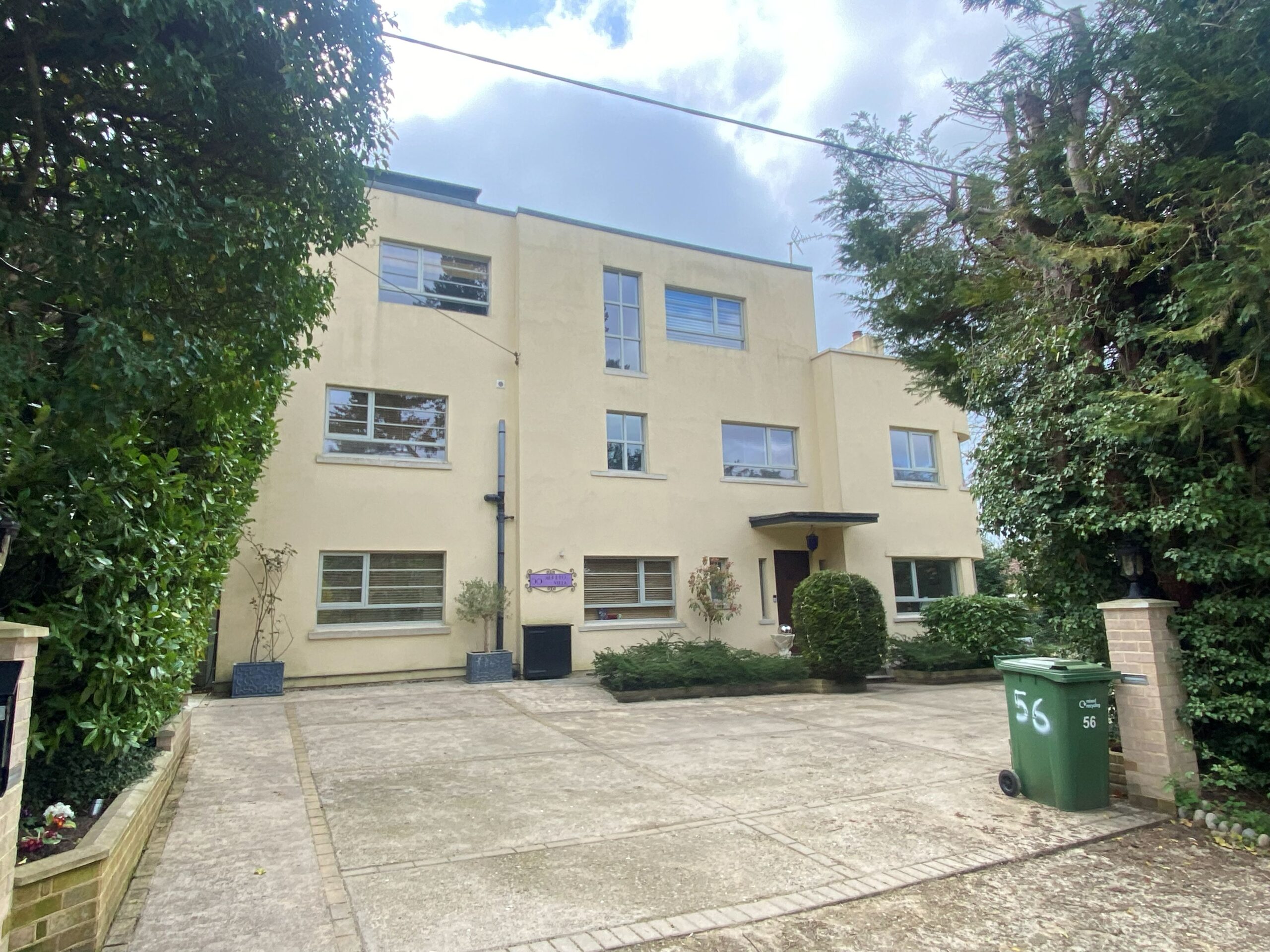
56 Cumnor Hill
House, c.1930s, rendered with tiled roof; Art Deco style; set well back from Cumnor Hill.
Architectural and historic interest.
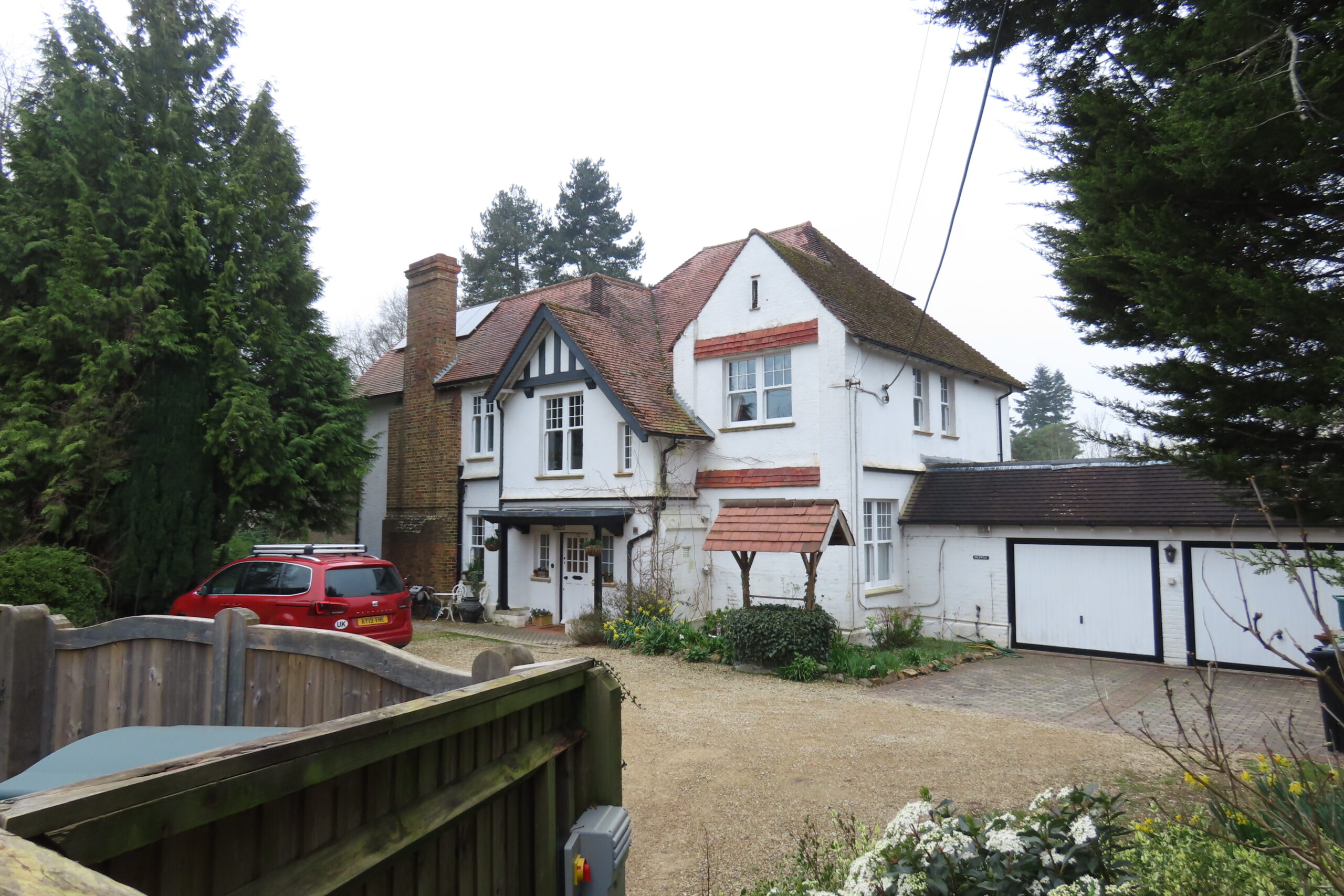
72 Cumnor Hill
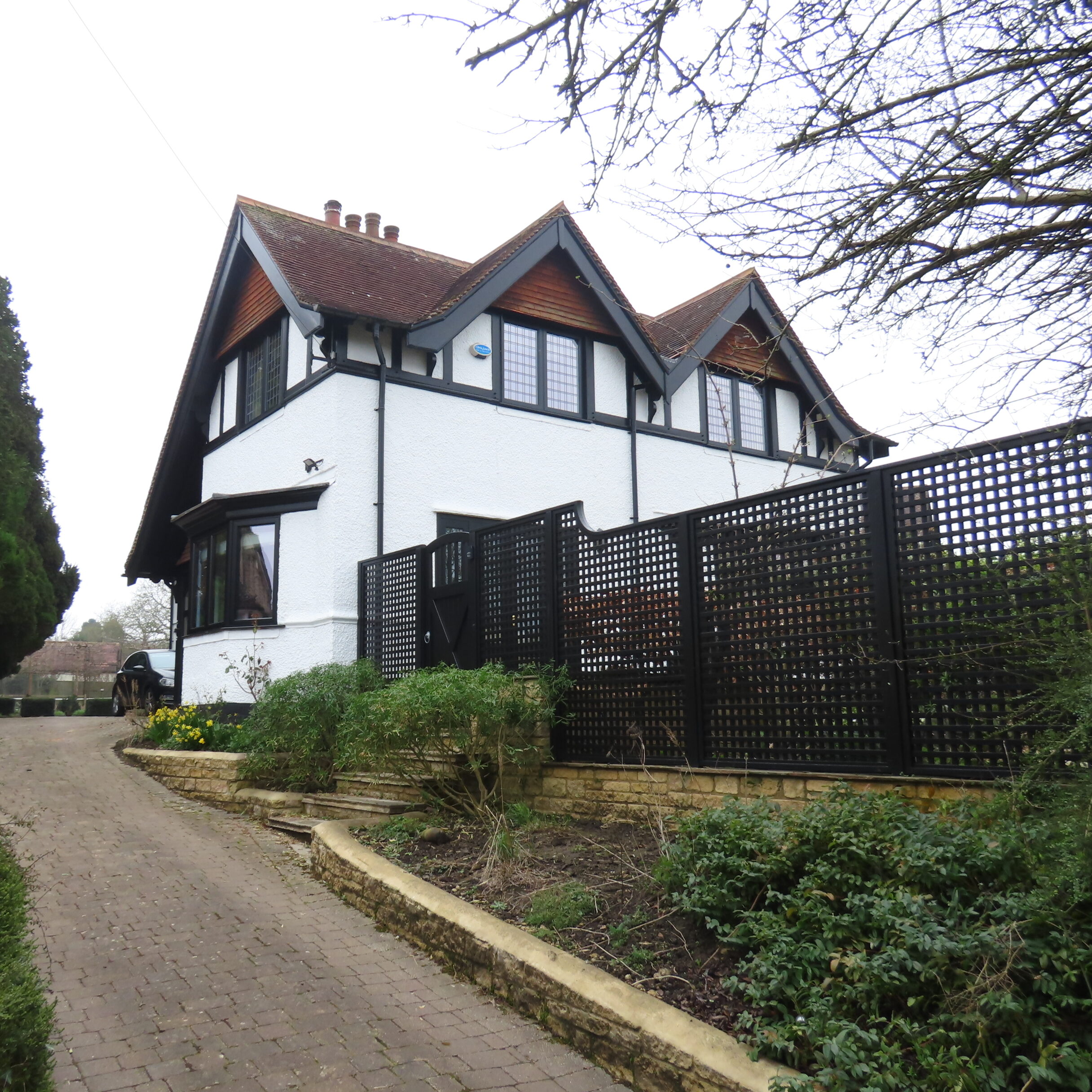
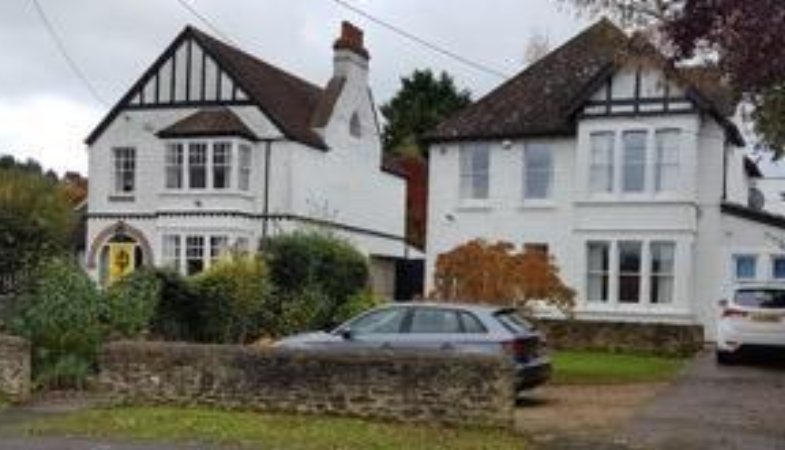
Large two-and a-half-storey house, of complex plan. Built by 1910 and originally called The Uplands. Render with plain tile roof. Planted on close-studded timber framing to central front gable and lateral stack, historic indicators of status. Evidence of early suburban development of Cumnor Hill.
Architectural and historic interest.
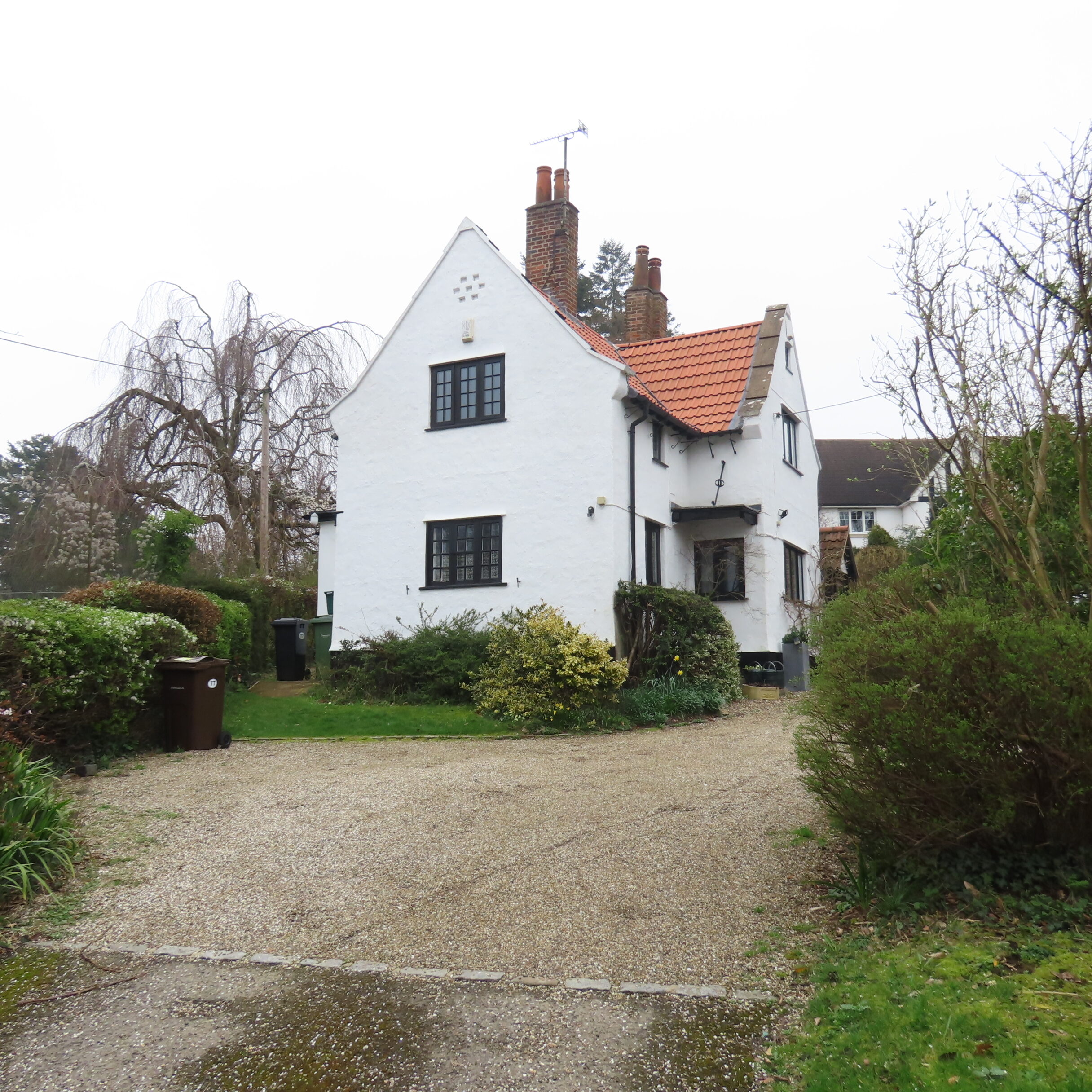
77 Cumnor Hill
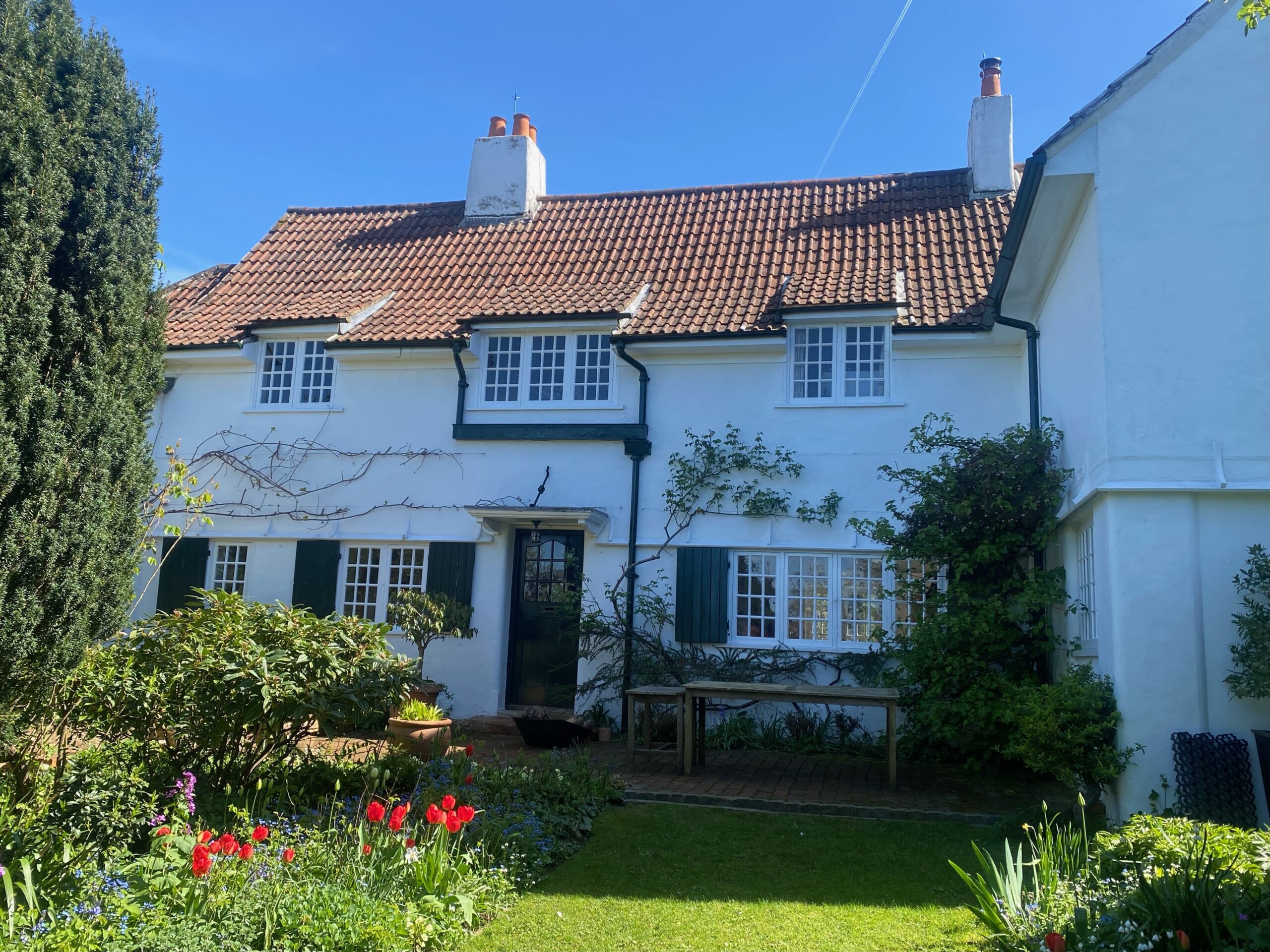
Two-storey house, built soon after 1907. Rendered with plain tile roof of steep pitch. Storied porch. Designed by Clough Williams-Ellis, as gardener’s cottage associated with Larkbeare (no. 85 Cumnor Hill). Displays good Arts and Crafts detailing (see EH listing report, 2012).
Architectural and historic interest.
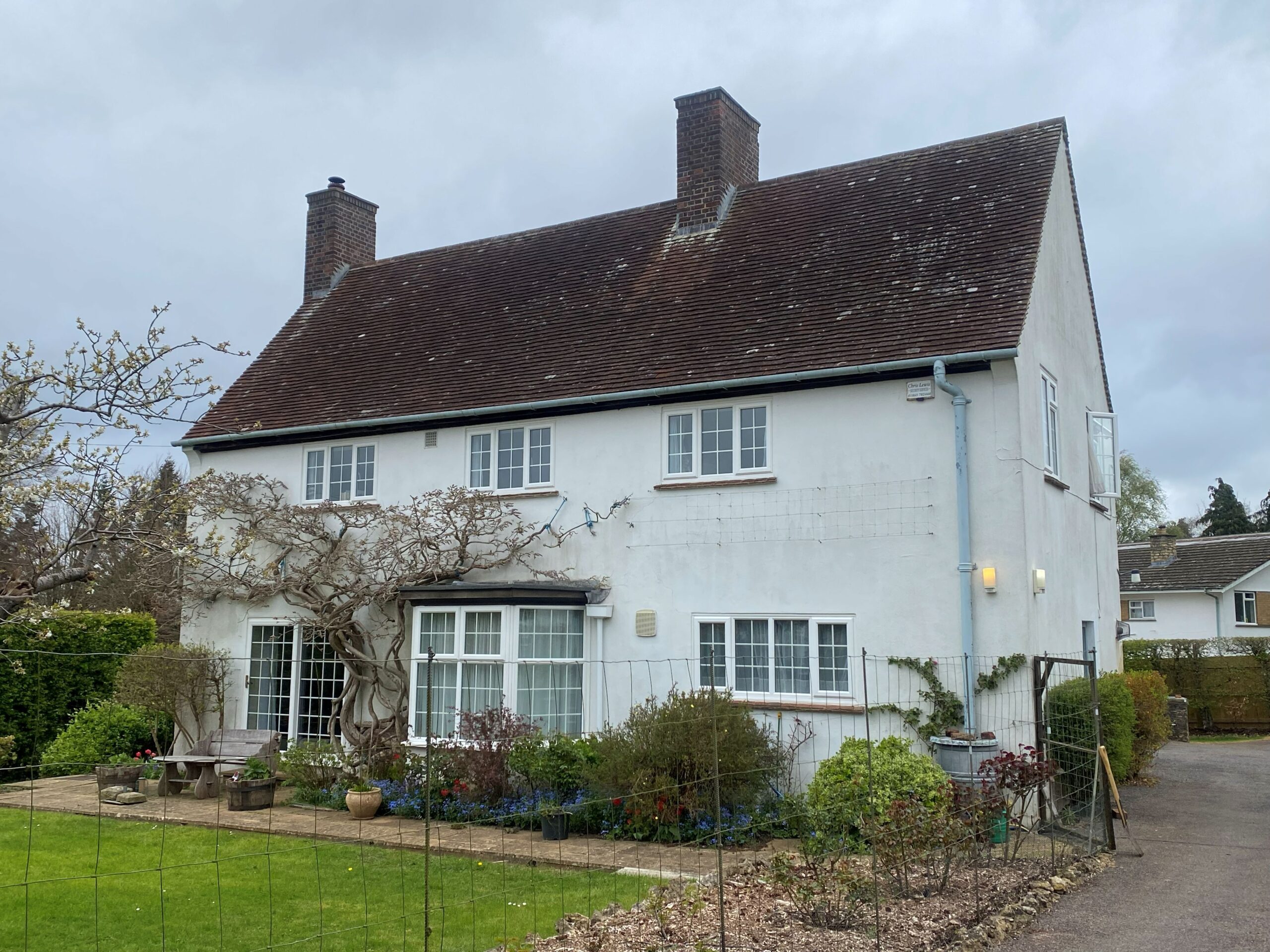
83 Cumnor Hill, Patchway
House, 1939, in the style of Clough Williams-Ellis.; rendered with tiled roof, casement windows; designed to fit in with adjoining Clough Williams-Ellis work. Built for Bernard Gotch, artist and his wife, Mary, violinist. (David Clark, Oxoniensia, 89, 2024, pp.204-205). Architectural and historic interest.
Larkbeare, 85 Cumnor Hill
House, built in 1907, two storey, originally rectangular plan, now extended to form Lplan. Render and tile. Arts and Crafts style. Designed by Clough Williams-Ellis. (see EH listing report, 2012). Architectural and historic interest.
House, built in 1907; designed by Clough Williams-Ellis; two storey, originally rectangular plan, now extended to form L-plan. Render and tile. Arts and Crafts style.Built for Anne Thackery (1865-1940, social worker and city alderman) and Mary Venables (1866-1950, musician and benefactor) (David Clark, Oxoniensia, 89, 2024, pp.204-205).
Architectural and historic interest
Outbuilding, Larkbeare, 85 Cumnor Hill
Single storey outbuilding in render and plain tile, probably designed by Clough WilliamsEllis and built in 1924. Probably used as a music room.
Architectural and historic interest
110 Cumnor Hill
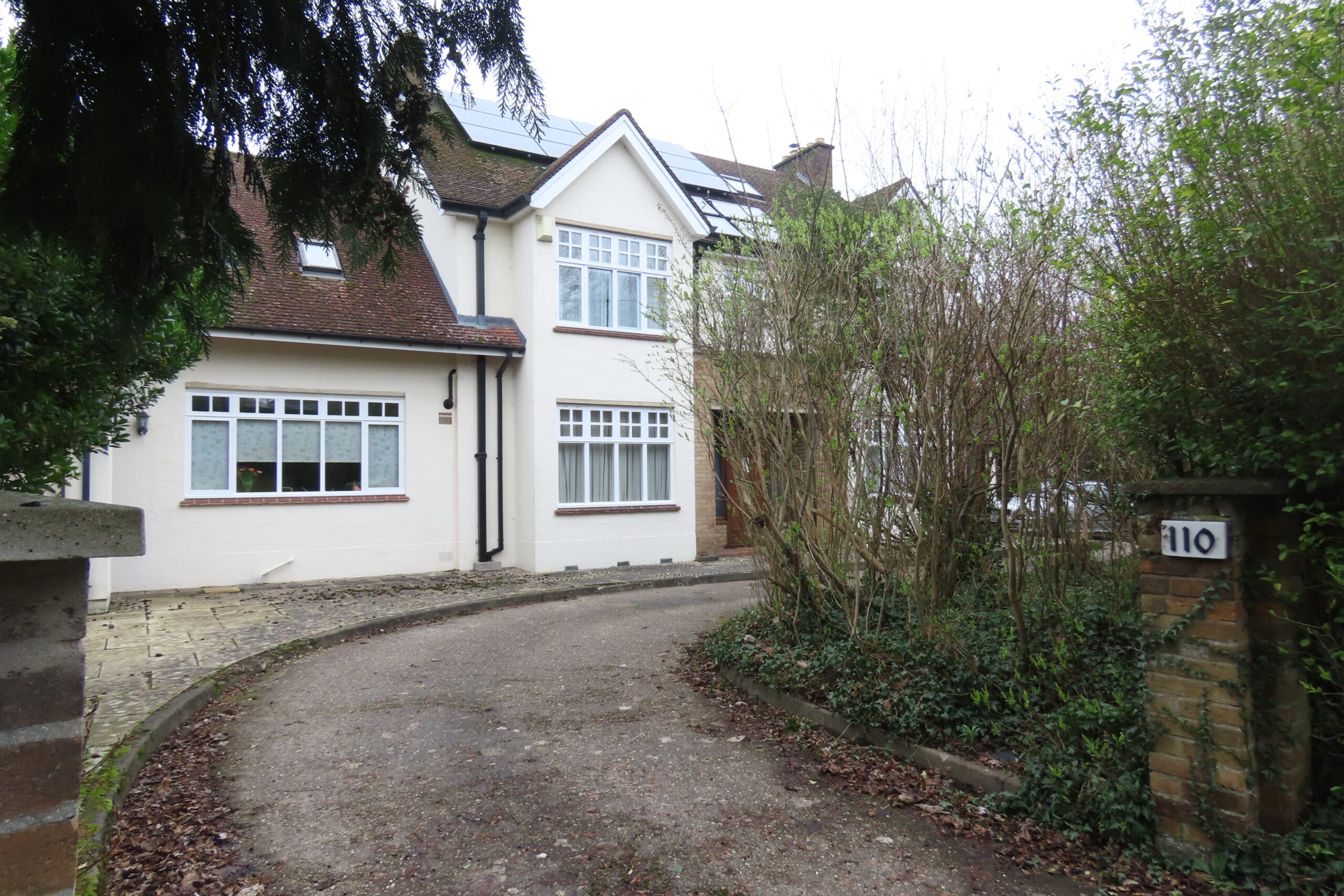
Large two-storey house, built by 1910, originally called Ridgefield. Render with plain tile roof. Evidence of early suburban development of Cumnor Hill.
Architectural and historic interest.
112 Cumnor Hill
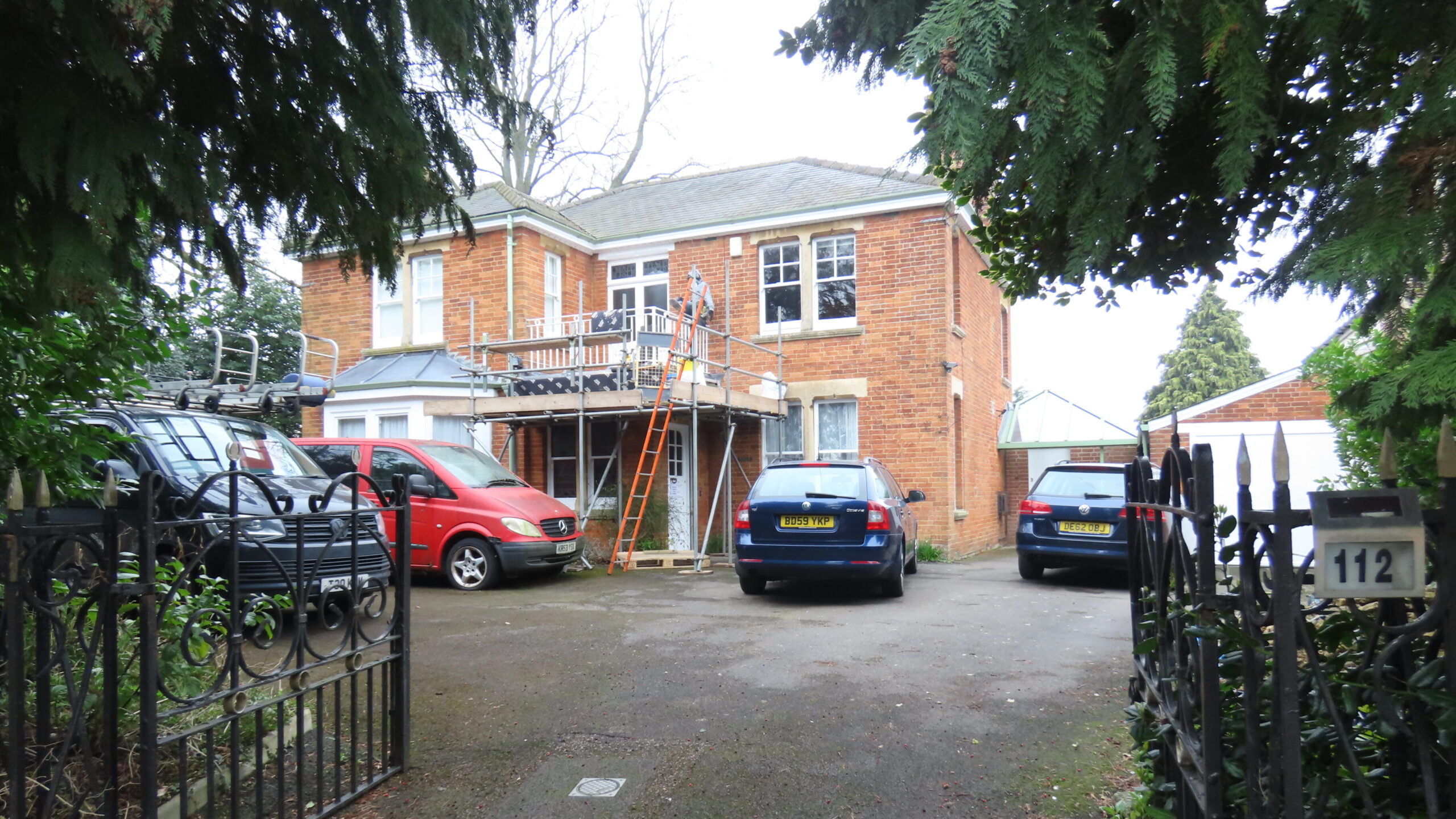
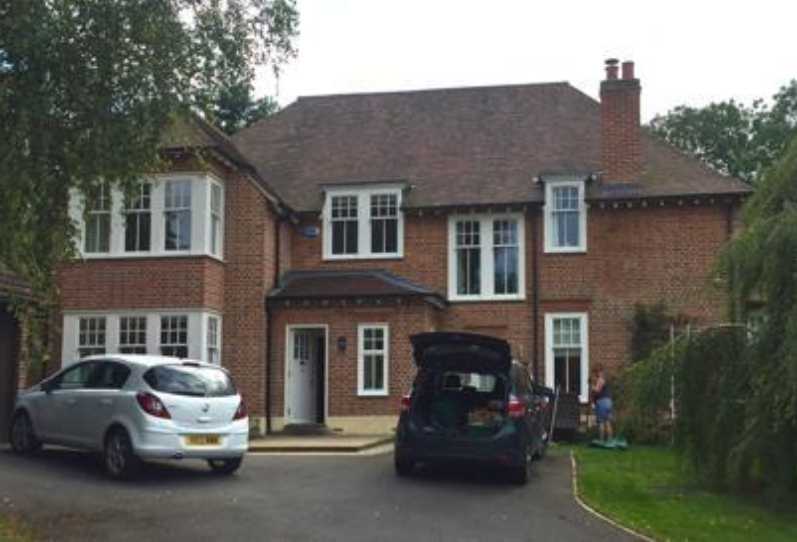
Large house, brick with hipped slate roof. Stone dressing to windows and door. Built by 1910. Large pane sash windows. Evidence of early suburban development of Cumnor Hill.
Architectural and historic interest.
113 Cumnor Hill
Large house, render with plain tiled roof. Built by 1910. Evidence of early suburban development of Cumnor Hill.
Architectural and historic interest.
Cutts End House, Appleton Rd
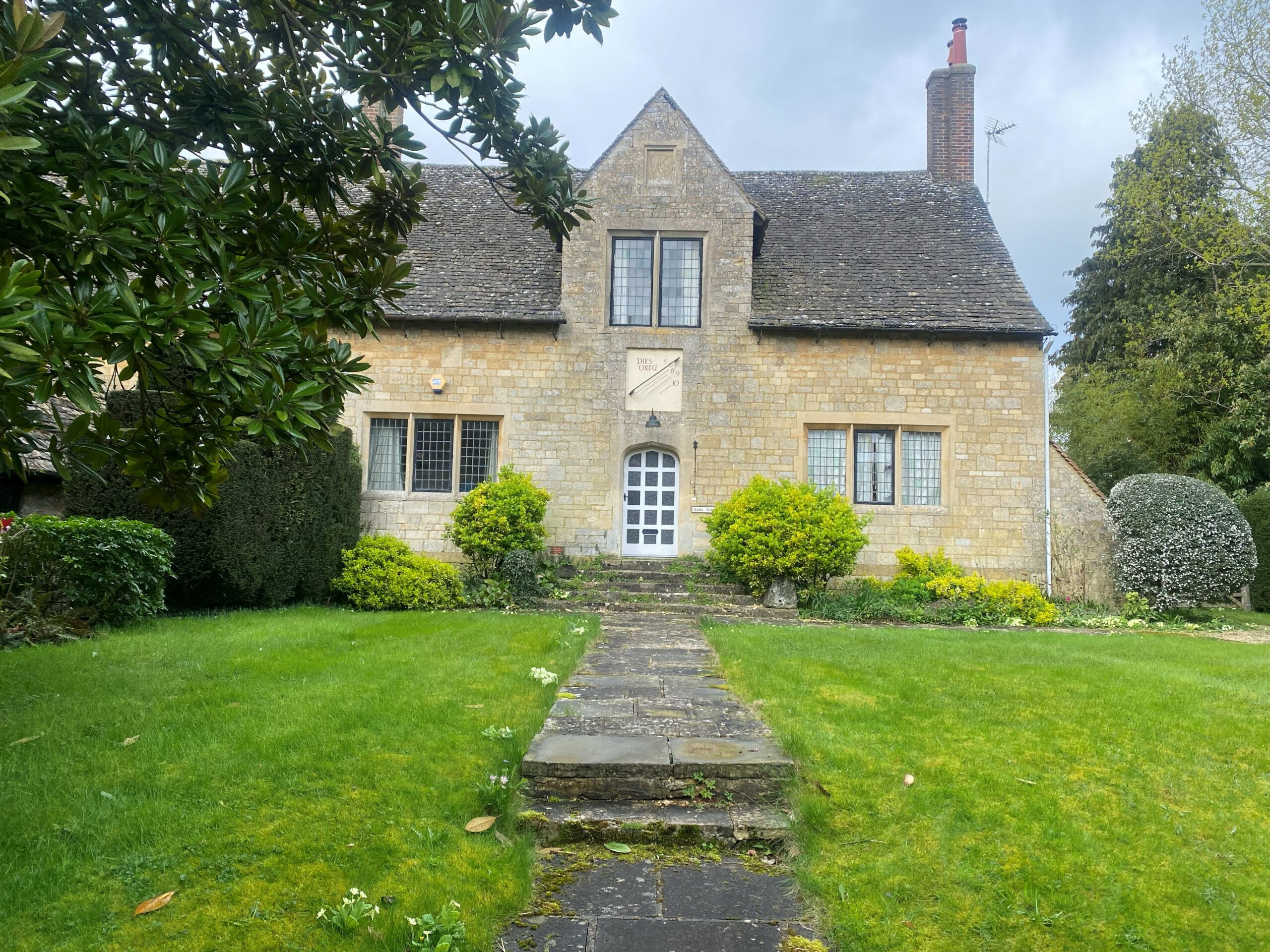
House built in 1912, designed by Clough Williams-Ellis; stone with stone-tiled roof; central entrance with dormer over; original metal casements; unusual datestone GR V LD representing King George V and the owner, Lily Dougal; unusual sundial, possibly from the Eric Gill workshop. (David Clark, Oxoniensia, 89, 2024, pp.190-194).
Architectural and historic interest.
Hurstcote, Appleton Rd
House built in 1923, designed by Clough Williams-Ellis; rendered with tiled roof; T-shaped plan; Doric portico; wide front entrance door with fanlight over; casement windows; ancillary buildings and set in extensive grounds; built for Leslie and Sybil Brooke. (David Clark, Oxoniensia, 89, 2024, pp.200-204).
Architectural and historic interest.
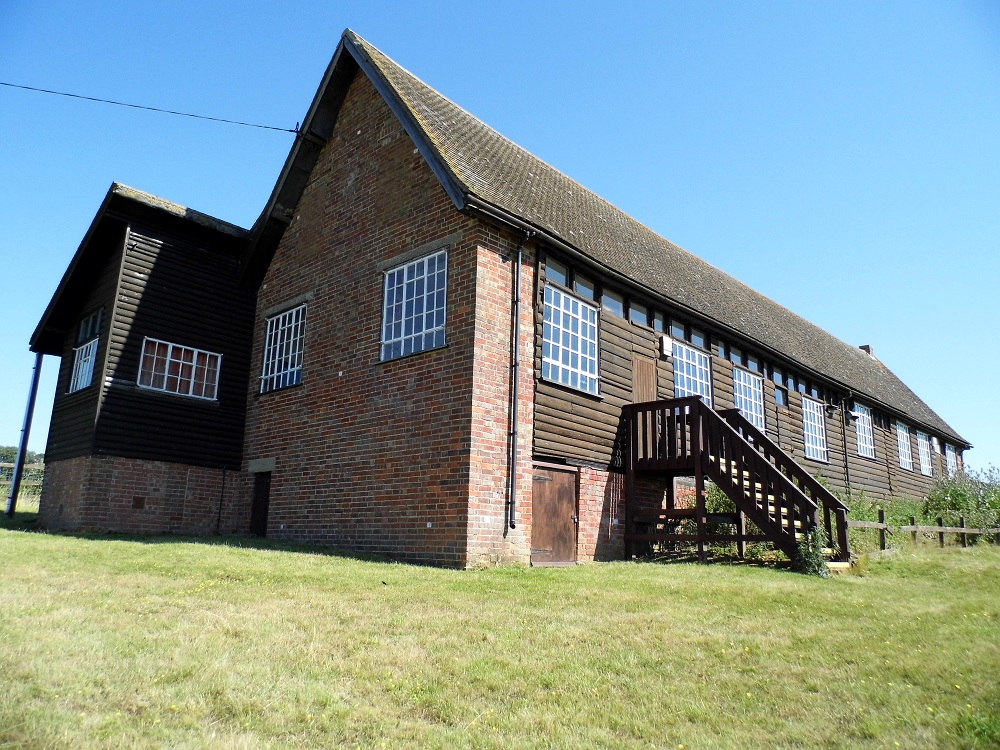
Upper Dormitory Hill End Outdoor Education Centre
At the heart of Hill End’s 67-acres of stunning natural landscape lies the original 1930s dormitory.
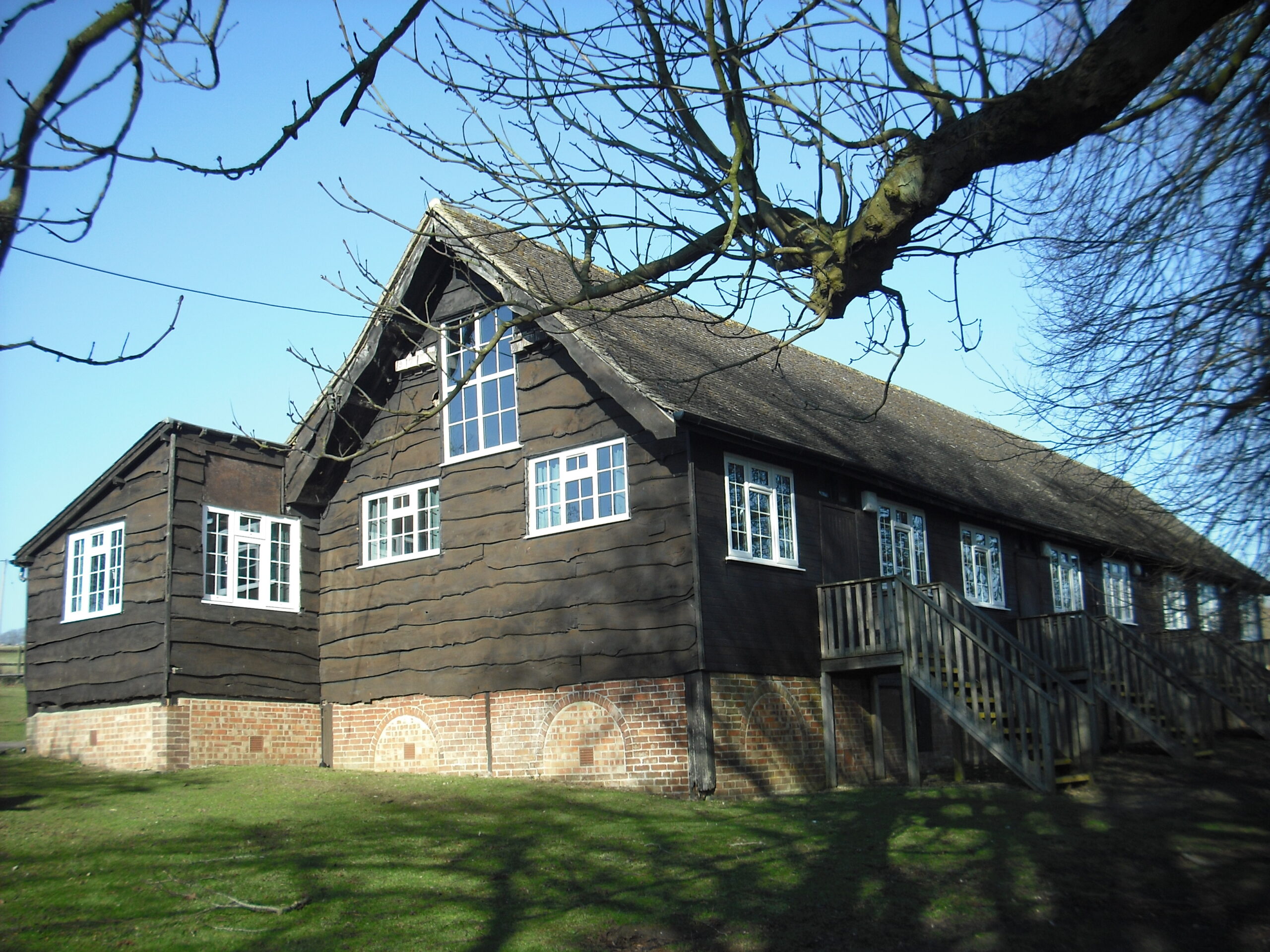
Middle Dormitory Hill End Outdoor Education Centre
Created over a century ago as a pioneering outdoor school for the urban poor by the philanthropic ffennell family, Hill End now welcomes 24,000 visitors each year.
3 Colegrove Down
Large house of brick with plain tile roof. Built by 1910. Plan reminiscent of typical hall and crosswing. Distinctive six-over-two sash windows. Evidence of early suburban development of Cumnor Hill.
Architectural and historic interest.
24 and 26 Eynsham Road
Victorian cottages built of local brick
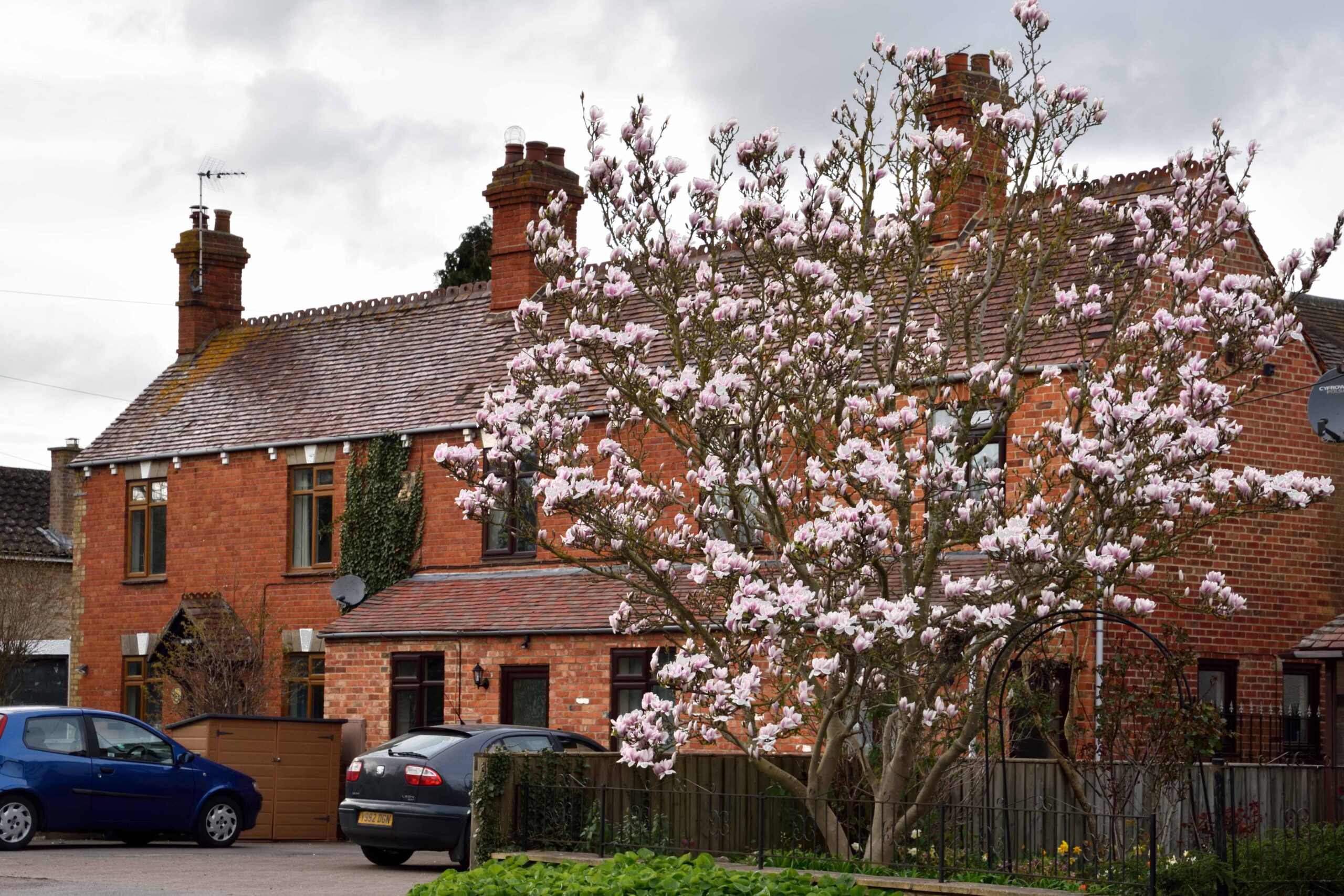
A pair of semi-detached, brick- built houses with 1879 datestone. Built in English garden wall bond with red brick and buff brick corners. Plain tile roof. Extended to one end and has a front extension. Altered windows. Associated with Chawley brick works.
Architectural and historic interest
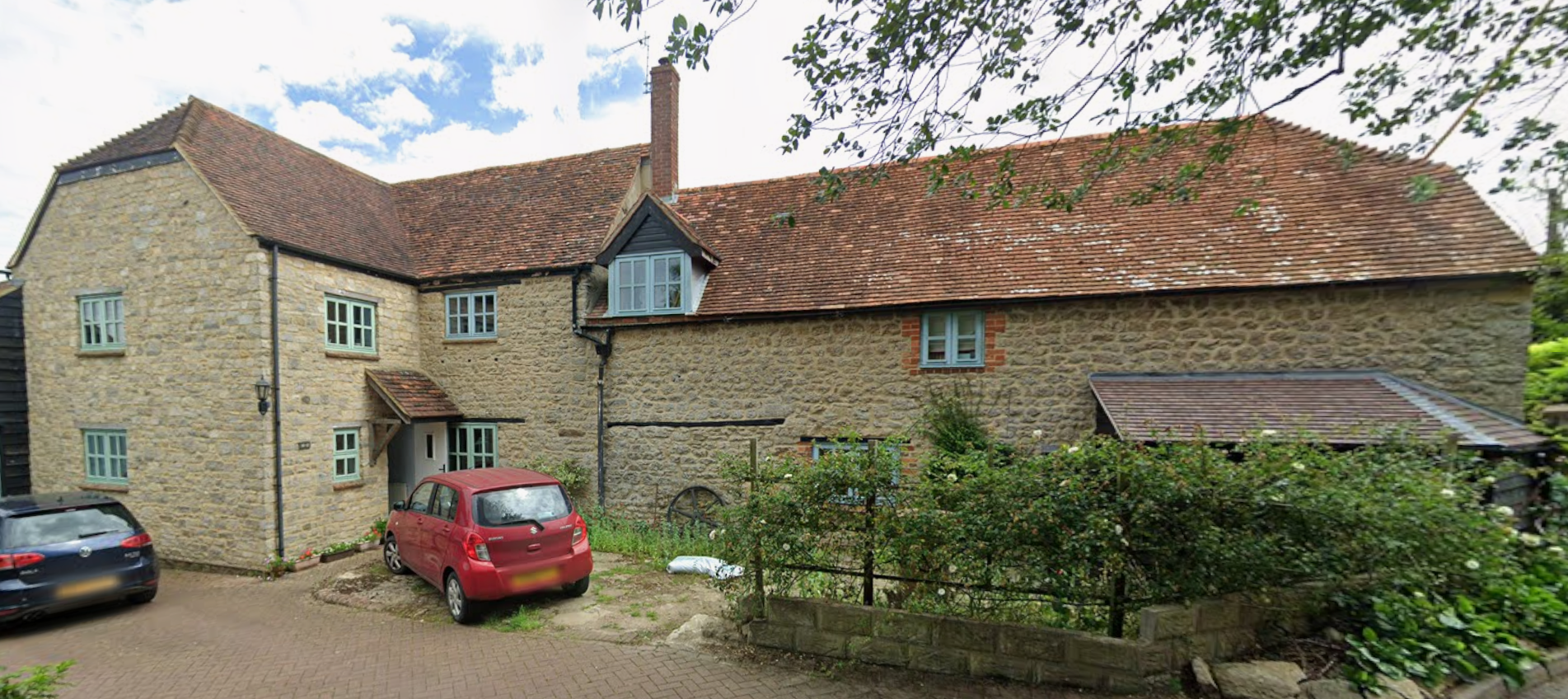
Pound Cottage
One and a half storey L-shaped house. Painted rubble stone with plain tile roof. Possibly late 17th century origin.
Architectural and historic interest.
51 and 53 Eynsham Road
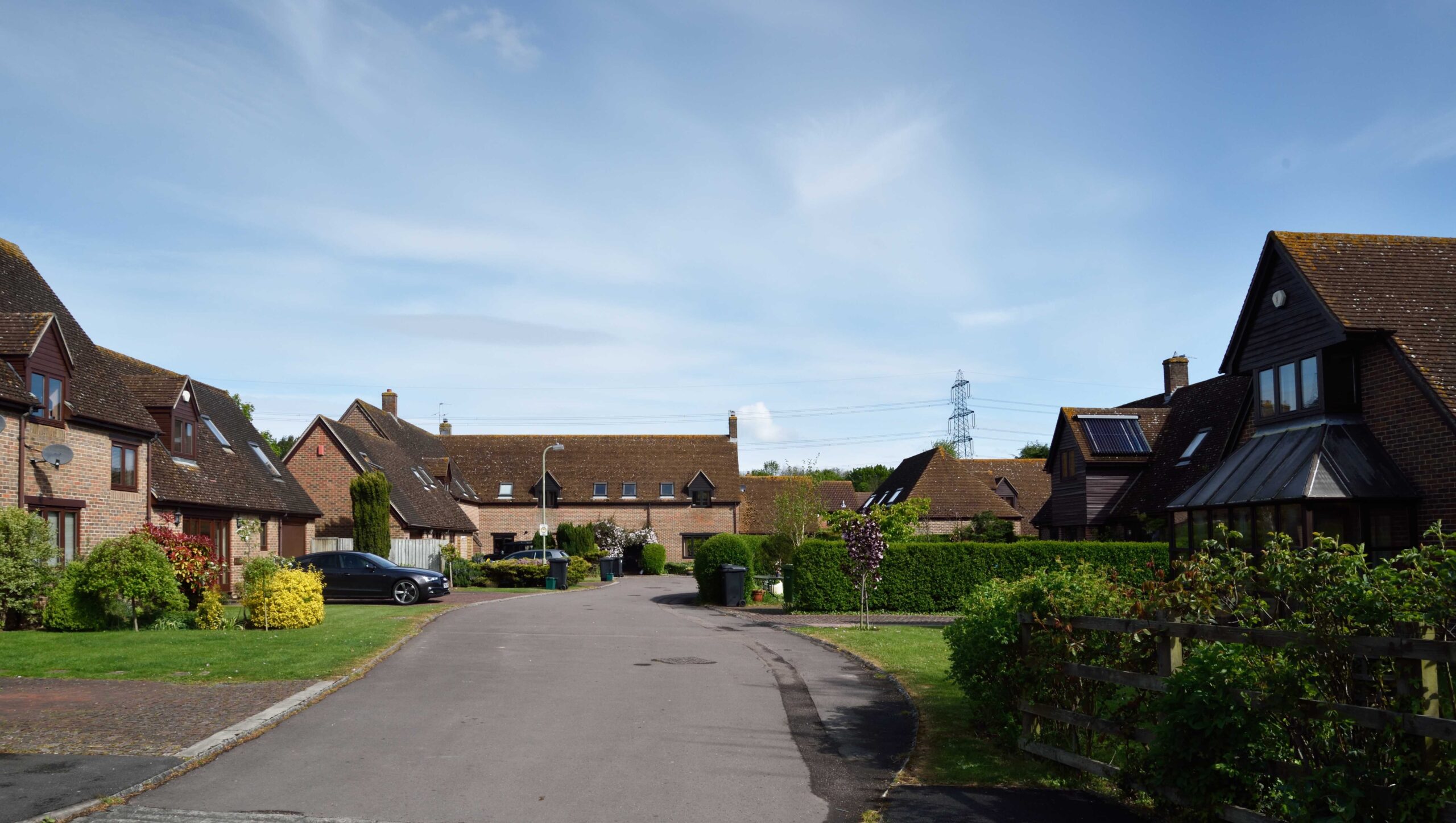
Detached houses, render and plain tile, with some planted on timber. Bay windows, individual styles. Early examples of suburban development along Eynsham Road displaying detailing denoting high status.
Architectural and historic interest.
87 Eynsham Road
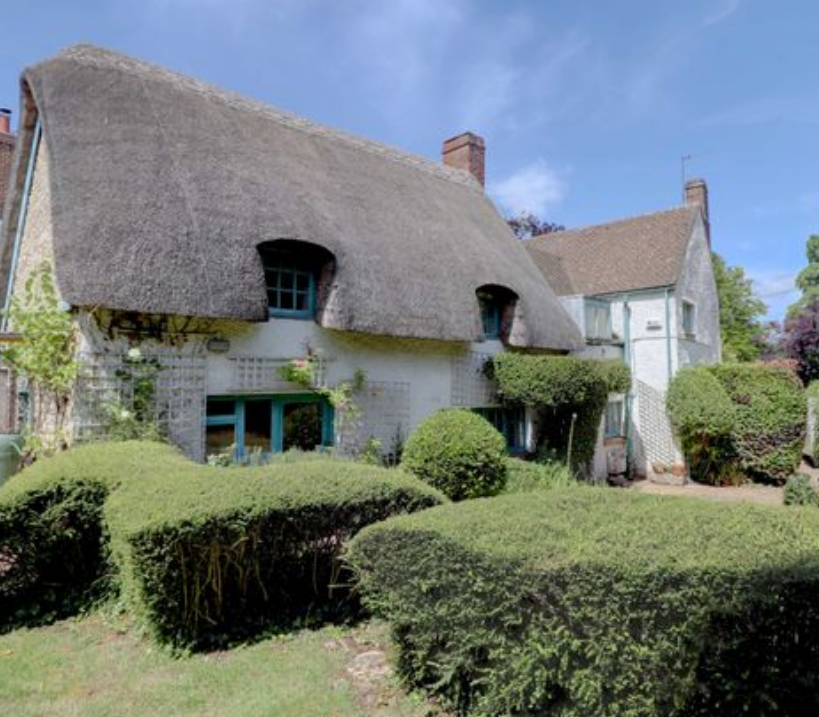
House of two separate builds. Earliest fronting Pinnocks Way dating probably from late 16thc. Front range dating possibly from early 18c. Built of rubblestone with some timber-framing internally. Thatch roof to main bays of phase 1, plain tile roof over end bay of phase 1 and phase 2. Large stack internally, maybe a later insertion. Some roof timbers appear to have soot blackening. Good early timber-mullioned window with leaded lights. Similar blocked window in roof space. Occupies site immediately opposite Dean Court Farmhouse.
Archaeological, architectural and historic interest.
8 Grange Court
Barn, Dean Court Farm, now residential. Dating from 18c. Described by John Blair in 1981 as ‘An unaisled barn of 3 bays, its wall partly of stone and partly of timber, existed in 1808 but is probably much older.’
Archaeological, architectural and historic interest.
7 Grange Court
Originally part of Dean Court farmhouse, described by John Blair in 1981 as ‘a single-storey outshut’ and existing on the estate map of Cumnor in 1808.
Archaeological, architectural and historic interest.
Physic well, Long Leys Lane GR SP442044
Stone surround with step down into well. Sulphureous water. Four feet deep at time of photograph (Nov 19). On the main route from Cumnor to Bablock Hythe crossing of the Thames. May date to seventeenth century or earlier. Evidence of the importance of mineral waters in everyday life in early modern period.
Archaeological and historic interest.
Beacon basket, GR SP482048
Erected for the Millennium as part of the national Millennium celebrations.
Historic interest.
Ridge and furrow field, High Street. GR SP 049044
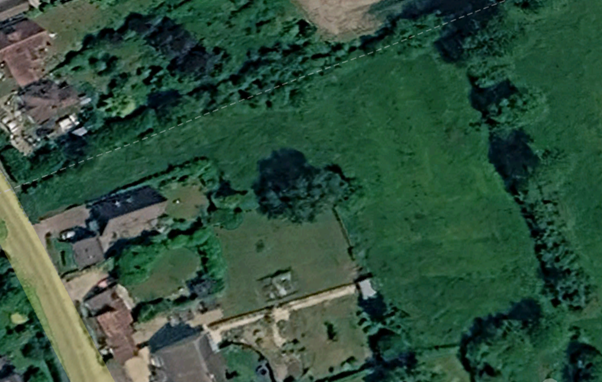
Lynchets survive which can be seen on the aerial photograph. This provides evidence of early agricultural practice dating probably from the medieval period.
Archaeological and historic interest.
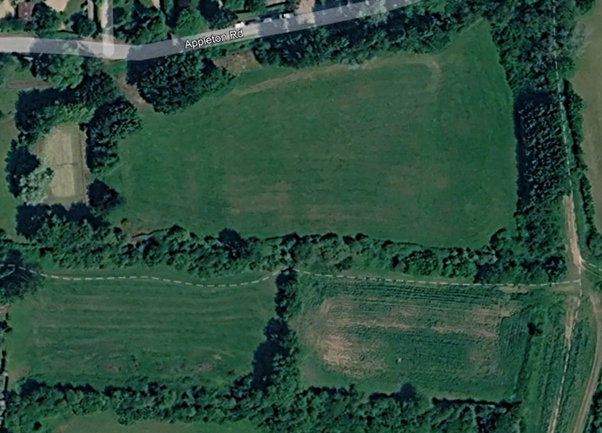
Ridge and furrow field, Appleton Road. GR SP 458038
Lynchets visible on the ground. Evidence of early agricultural practice dating probably from the medieval period.
Archaeological and historic interest.
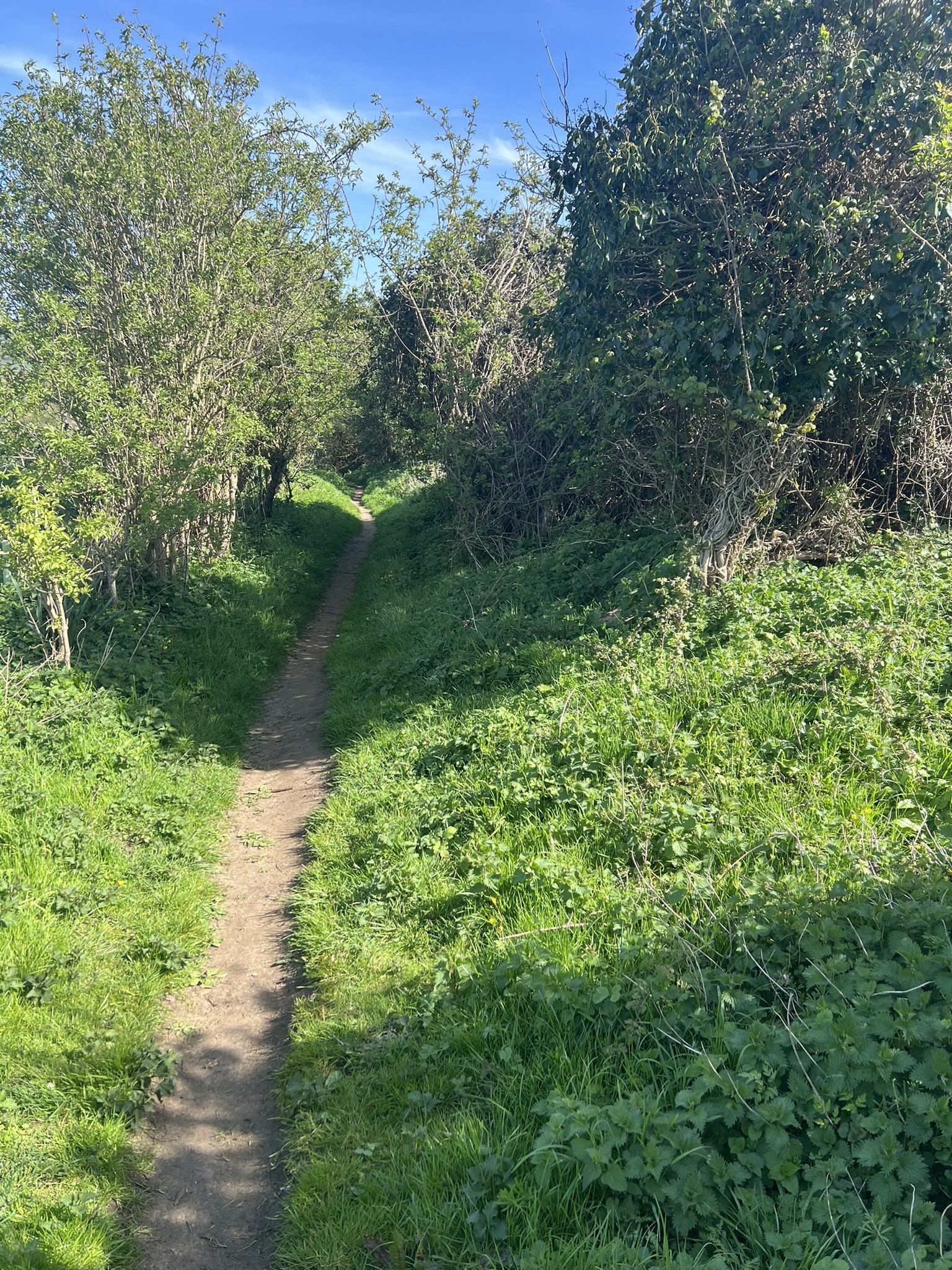
Sunken Lane from Dean Court to Chawley
Evidence from the rural past when Dean Court and Chawley were two farming settlements, before Oxford was developed to the west of the Thames.
Historic interest
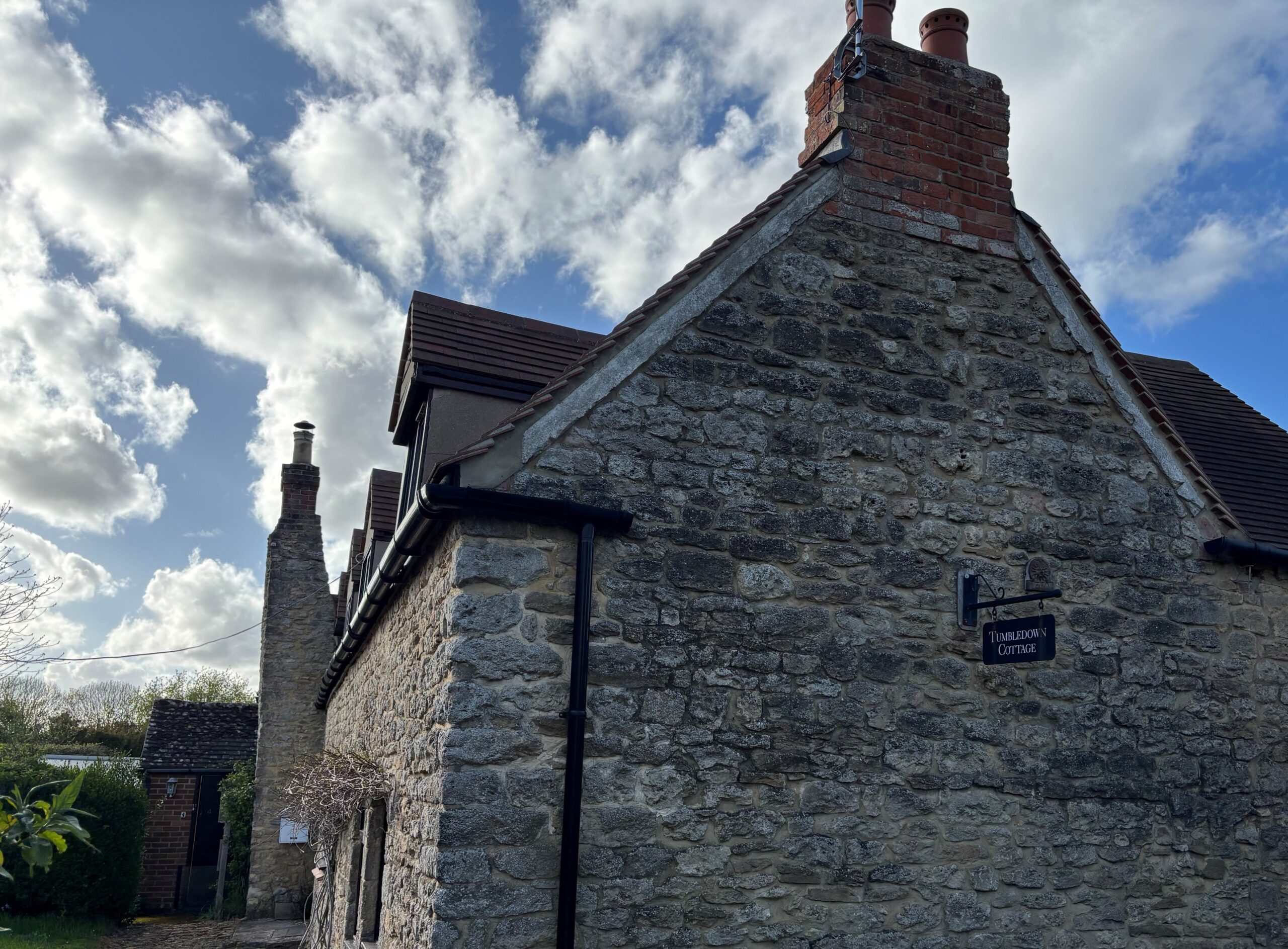
Tumbledown Cottage
House and outbuilding. One and a half storeys. Lateral stack and end stack. Rubblestone with plain tile roof. Dating probably from the seventeenth century. It appears on the 1814 Enclosure Map.
Architectural and historic interest.
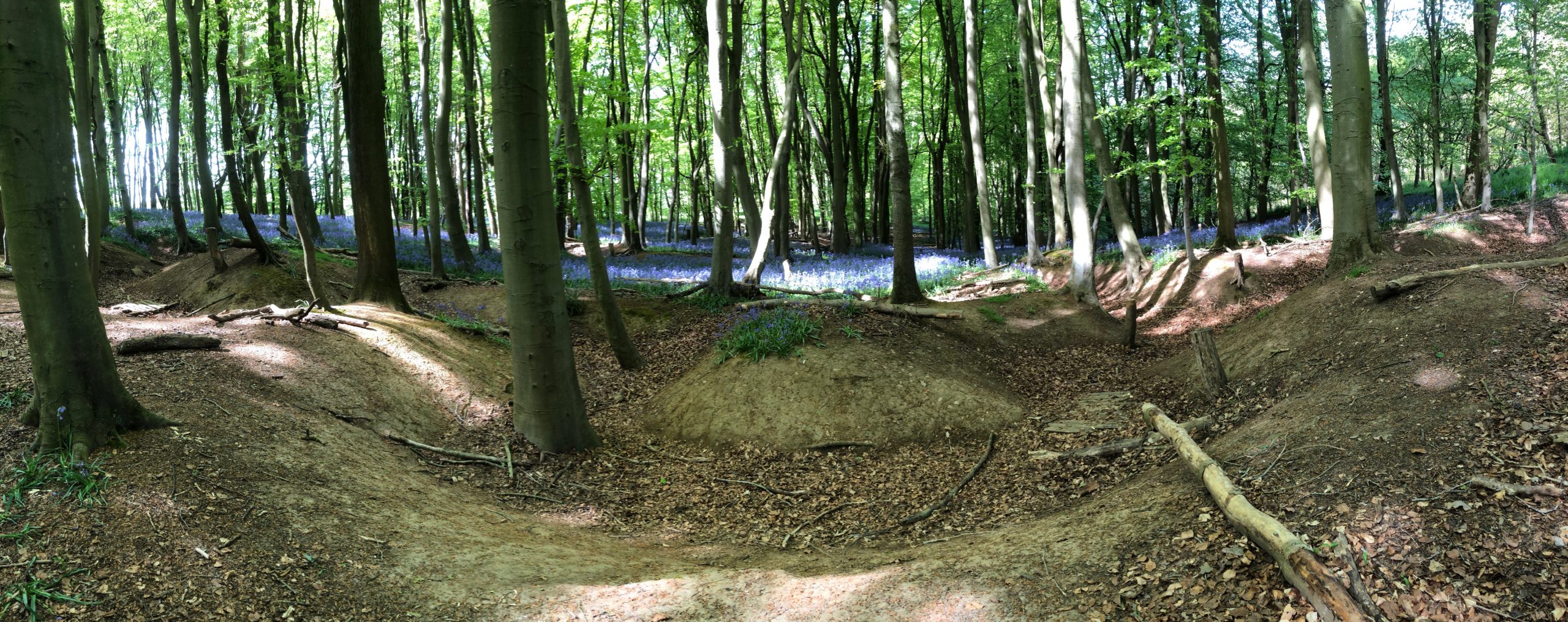
First World War Trenches, Hill End
Historic practice trenches dug in Wytham Woods during WW1.
Historic interest.
Brick Kiln Farmhouse
Multi-phase farmhouse of complex plan form. Rubblestone with plain tile roof. Dating from 18thc or earlier. It appears on the 1815 enclosure map. Chawley Brick Company based here from mid 19thc which continued until 1930s. Source of much local brick.
Architectural and historic interest
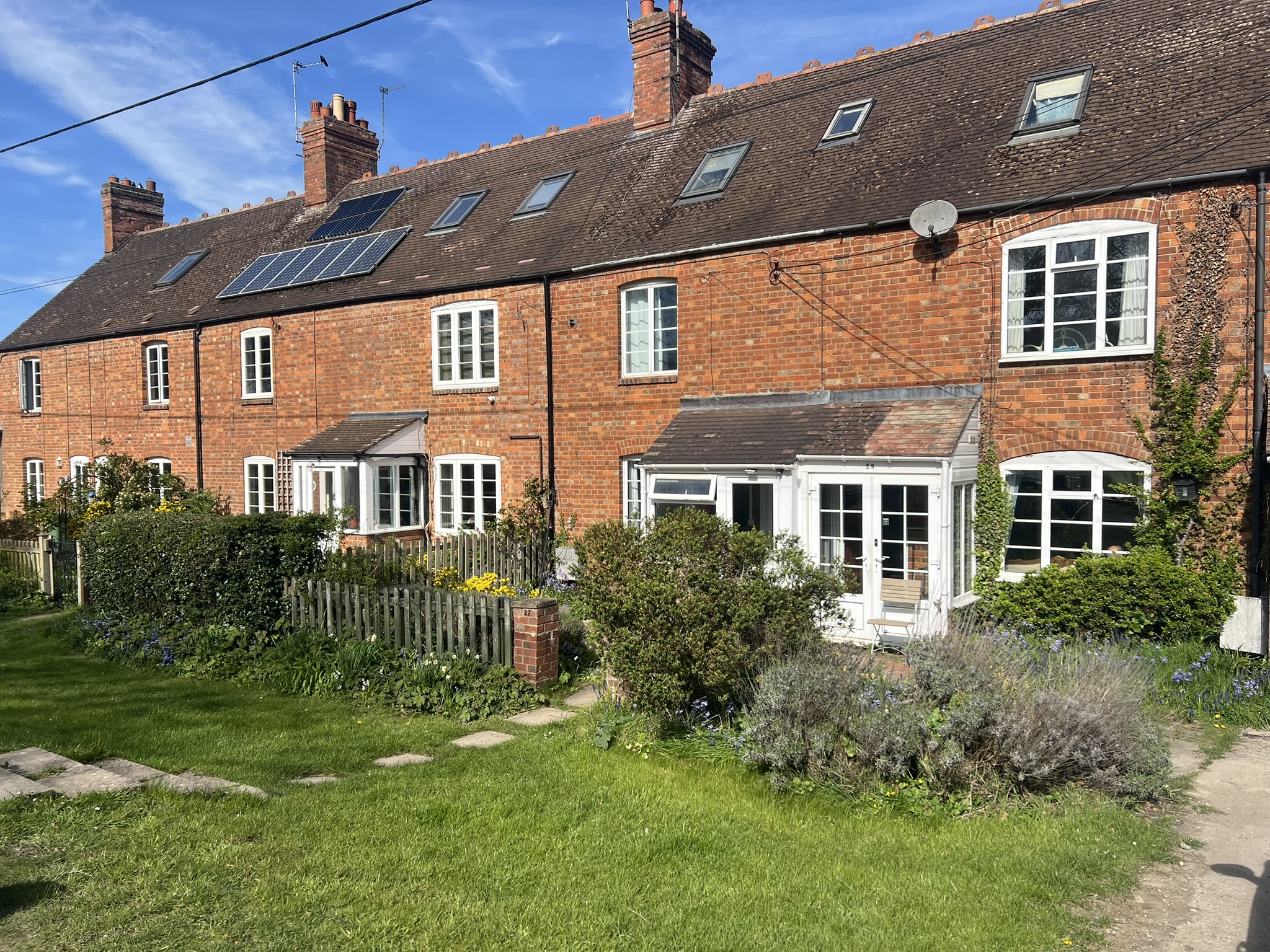
Hurst Lane Cottages
Terrace of workers houses, early 20th century. Brick and tile, with bricks probably from the nearby brickworks. Situated on the old turnpike road.